
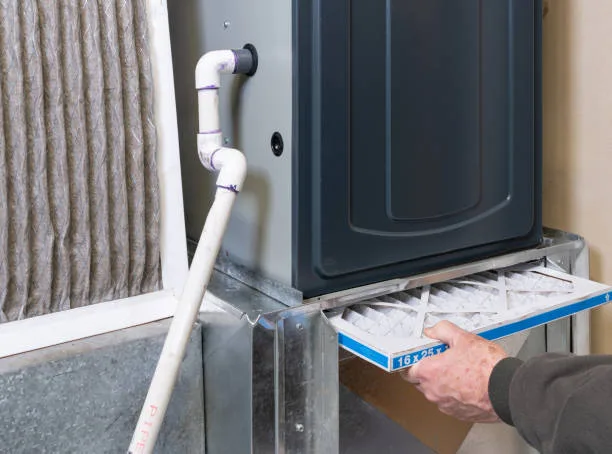
A new high-efficiency furnace in the GTA in 2026 typically lands between $4,300 and $7,000 installed, with most replacements clustering around $4,500 to $6,500. The spread comes from four things: staging, the state of the ductwork, what the venting needs, and whether the water heater has to be dealt with at the same time. Everything below is a line item you can check against a quote, which is how you catch the bid that looks cheap until the change orders arrive.
2026 GTA Furnace Pricing at a Glance
- Single-stage 95% AFUE furnace, standard install: $3,800 – $5,000
- Two-stage 96–97% AFUE furnace, standard install: $4,500 – $6,000
- Modulating 97–98% AFUE furnace with ECM blower, standard install: $5,800 – $7,500+
- Furnace + AC combo replacement: $7,500 – $11,500 (significant labour overlap savings vs. doing them separately)
- Premium brands (Lennox SLP98V, Carrier Infinity 98, Trane S9V2): typically a $500–$1,500 premium over equivalent base brands
Why GTA furnace quotes sit above small-town Ontario
Three reasons, and none of them is the equipment. Licensed gas technicians cost more here, and a crew that spends 40 minutes crossing the QEW carries that time in its rate. Older stock — pre-war brick in Westdale, 1950s bungalows through Aldershot and Roseland — frequently needs venting changes, duct repairs or a chimney liner that a 2010 subdivision does not.
The third reason is process, and it varies by city. Toronto, Hamilton, Burlington, Brampton and Caledon each list a straight furnace replacement in a house among the work that needs no building permit. Mississauga asks for one when the new furnace is of a higher efficiency than the old one or the ducts are altered, and Oakville and Milton do not say on their permit pages, so there we confirm with the building department. Where a permit does apply, costs vary by municipality (typical range $100–$300). The gas work falls under CSA B149.1 everywhere, so a quote should say in writing whether a permit applies rather than leave you guessing.
What's Included in a Standard GTA Furnace Quote
- Removal and disposal of the existing furnace ($150–$400 value)
- New furnace cabinet, gas valve, blower, control board, and venting kit
- Standard PVC vent pipe (up to 25 feet) for high-efficiency models
- Gas line connection and leak test
- Thermostat reconnection (or basic programmable thermostat upgrade)
- Any building permit the municipality requires, pulled and closed out
- Workmanship warranty (typically 1–2 years labour) plus 10-year parts from manufacturer
- Final commissioning, combustion analysis, and homeowner walkthrough
Hidden Costs That Surprise GTA Homeowners
- Building permit, where the municipality requires one for the job: $100 – $300 (already included in most quotes — confirm)
- Old furnace removal and disposal: $60 – $500 if not bundled
- Ductwork modifications or repairs: $200 – $1,000 (older Toronto homes especially)
- Chimney liner for water heater (required when going from mid-efficiency to high-efficiency furnace, since the WH can no longer share the chimney): $400 – $900
- Electrical upgrades for ECM blowers or smart thermostats: $150 – $800
- Concrete pad or slab levelling: $100 – $300
- Carbon monoxide detector installation if missing (legally required): $50 – $150
- An after-hours or weekend premium — some contractors add one, so ask before you book the date (we don't charge overtime, weekend or holiday rates)
Single-stage vs two-stage vs modulating: what the money buys
- Single-stage — install $3,800–$5,000 · fires at full output only · more on-off cycles · noticeable temperature swing between calls · the right pick for a rental or a house you plan to sell
- Two-stage — install $4,500–$6,000 · runs on low output for most of the season and steps up in a cold snap · quieter start · steadier room temperatures than single-stage
- Modulating with a variable-speed ECM blower — install $5,800–$7,500 · adjusts output continuously across its range · longest, gentlest run cycles · pairs cleanly with a heat pump in a dual-fuel setup
- Across all three, 95% AFUE is the federal minimum for a new gas furnace in Canada, so the efficiency floor is set. What you are paying for above that is staging, blower type and sound
How Much Will You Save vs. an Old Furnace?
If you are replacing a 15+ year old 80% AFUE mid-efficiency unit with a modern 96% AFUE high-efficiency furnace, expect 20–25% lower gas usage. For a typical Toronto home spending $1,800/year on gas heat, that's $360–$450/year saved. Over 15 years, that adds up to $5,400–$6,750 in lower bills — often more than the entire upgrade cost.
Free quotes, written pricing.
Sizing changes the price more than the badge does
A 1,200 sq ft Burlington bungalow does not need the 100,000 BTU furnace that was pulled out of it in 1998. Older units were routinely oversized, and a replacement matched to a real heat-loss calculation is often one or two cabinet sizes smaller — which lowers the equipment price and cuts short cycling at the same time.
Ask for the heat-loss numbers, not a rule of thumb per square foot. Insulation, window area, air sealing and the exposure of the house all move the answer, and a sales rep who sizes from the old data plate is copying someone else's mistake forward. Our GTA furnace sizing guide walks through the BTU ranges by house size.
How rebates change the furnace math in 2026
Provincial incentives now favour electrification, so a straight gas furnace swap earns nothing by itself under the Home Renovation Savings Program. The money is for heat pumps, including a hybrid heat pump paired with the furnace, and a smart thermostat carries a small rebate of its own at an amount that depends on the channel — our furnace rebates page has the detail. Current Ontario rebates run $500–$7,500 depending on the system, with the top of that band reserved for heat pumps.
If you are replacing a furnace anyway, it is worth pricing a dual-fuel setup in the same visit — the sheet metal, the gas work and the electrical are already on the table. Our Ontario rebates hub tracks which programs are open, and the paperwork should be filed by your installer, not by you.
How to Get an Accurate Quote (and Avoid Bait-and-Switch Pricing)
- No price is real until someone has stood in the mechanical room — a number given over the phone is a guess dressed as a quote
- Get the model number, AFUE rating, blower type, warranty terms, and stage (single/two/modulating) in writing
- Confirm whether a permit applies and that its cost is included, not extra
- Ask whether the chimney liner for your water heater is included if you're going high-efficiency
- Ask for a fixed-price quote, not 'starting at' pricing
- Get 2–3 quotes from licensed contractors. Throw out the lowest bid if it's more than 15% below the others — that's where hidden change orders hide
The verdict: which tier to buy, and when to stop repairing
Buy single-stage if the house is small, the ducts are tight and the plan is to sell within five years. Buy two-stage for most GTA detached homes — it is the tier where comfort improves and the payback still makes sense. Buy modulating if the house has long runs, a finished basement you actually use, or a heat pump going in alongside it.
On repair versus replacement, the rule is arithmetic: replace when a single repair costs more than half a new unit and the furnace is over 12 years old, and repair when it is under 10 with a flame sensor, igniter or pressure-switch fault. The full comparison sits in our furnace repair vs. replacement cost guide, and the symptom list is in when to replace your furnace.
Get a real number for your own house
Chimney configuration, duct condition, gas line size and the vent route between the furnace and the sidewall can move a quote by a four-figure amount, which is why an over-the-phone price is a guess. We quote in person across Burlington, Oakville, Hamilton, Toronto and the rest of the GTA, with written pricing before the work and TSSA-licensed gas technicians on every install.
If you want the scope of work explained rather than a price sheet emailed, look at our heating services or book a free in-home quote and we will measure the house before we put a number on it.
Frequently asked questions
How long does a furnace replacement take?
A straight swap in an accessible basement is usually a single working day, including removal, setting the new cabinet, gas and electrical connections, venting, and commissioning with a combustion analysis. Add time when the vent route changes, when a chimney liner goes in for the water heater, or when the plenum has to be rebuilt to fit a different cabinet width.
Is a more expensive furnace brand worth the premium?
The premium buys staging, blower type and sound level, not reliability on its own. Across brands at a comparable tier, a typical GTA furnace install runs $3,500–$7,500, and the quality of the installation moves comfort and lifespan more than the badge does. Ask who is doing the sheet-metal work and the commissioning.
Do I need a permit to replace a furnace in Ontario?
It depends on the municipality, and often the answer is no. Toronto, Hamilton, Burlington, Brampton and Caledon list a straight furnace replacement in a house as work that does not need a building permit; Mississauga requires one when the replacement is of a higher efficiency than the existing furnace or the ducts are altered. The gas connection falls under CSA B149.1 everywhere, which means a TSSA-licensed technician has to make and test it. Where a permit applies, costs typically run $100–$300, and it should be inside the quoted price rather than added later as an extra.
Why does my quote include a chimney liner?
When a mid-efficiency furnace is replaced with a high-efficiency one, the furnace stops venting into the masonry chimney. A gas water heater left sharing that oversized flue can no longer keep it warm enough to vent safely, so the chimney gets a correctly sized liner. Budget $400–$900 when it applies.
Should I replace the furnace and air conditioner together?
If both are over 12 years old, yes — replacing them together typically runs $7,500–$11,500 and saves roughly a thousand dollars versus doing them separately, because the labour, sheet metal and electrical overlap. If the AC is under eight years old and cooling well, leave it and match the new blower to it.